Legal Situation, as of October 2026

Ban on Rat Poison: What Takes Effect on July 1, 2026

There is no blanket ban on rat poison. What there is, however, is a significantly more restrictive authorization: poison is now permitted only for qualified professionals, only in cases of confirmed infestation, and preventive long-term baiting has been eliminated. For businesses and service providers, this is the biggest change in years.

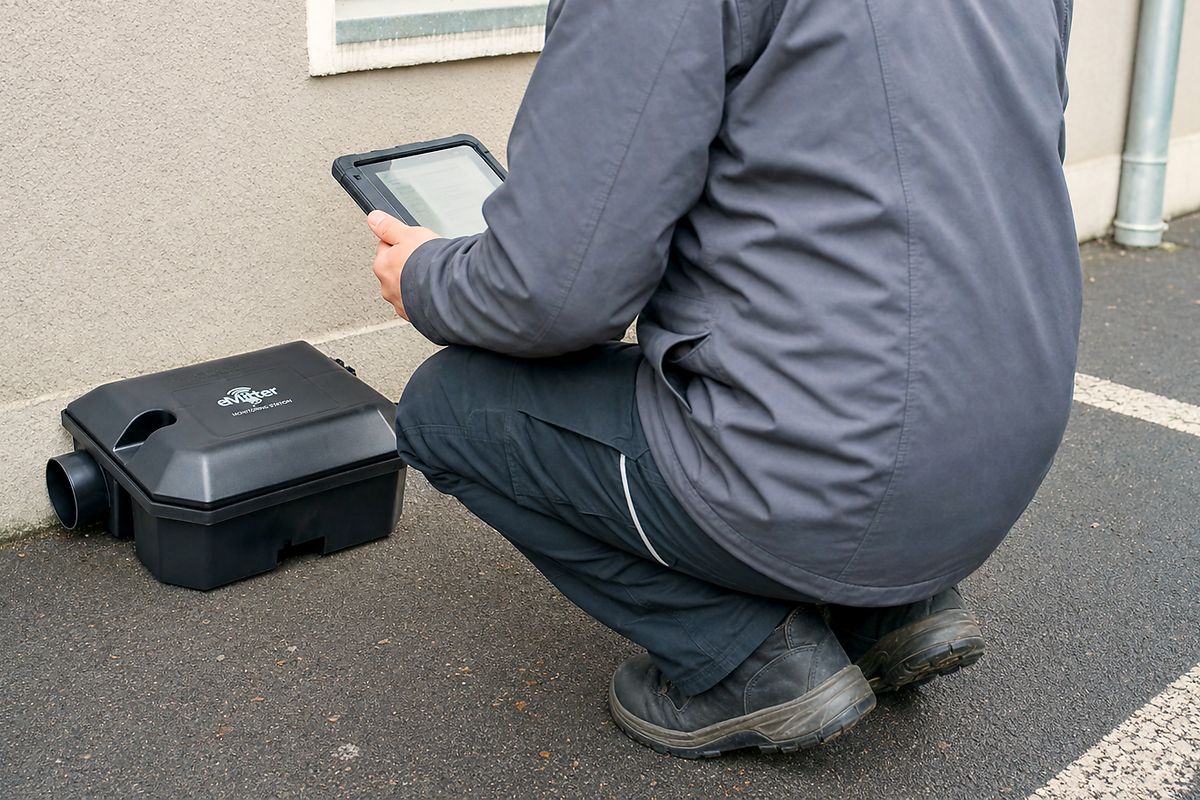
A pest control technician checks a sealed monitoring station on the wall of a building and records the findings on a tablet

The Most Important Points in 30 Seconds

  • No blanket ban. Antikoagulante Rodentizide bleiben zugelassen, aber unter deutlich engeren Bedingungen.
  • For qualified professionals only. As of July 1, 2026, these products are intended for trained, professional users with the necessary expertise.
  • Pest inspection is mandatory. Gift darf erst eingesetzt werden, wenn ein Befall mit der auf dem Produkt genannten Nagetierart festgestellt wurde.
  • Permanent baiting has been canceled. In den neuen Zulassungen sind befallsunabhängige Dauerbeköderung, vorbeugende Anwendung und Monitoring mit Giftködern nicht mehr vorgesehen.
  • Private individuals can no longer purchase poison. Sales ended on April 25, 2026, and the deadline for using up legally purchased remaining stock is October 22, 2026.
  • Deadlines are still in effect for existing inventory. Products with older marketing authorizations may be sold until December 28, 2026, and used up until June 26, 2027, after which they must comply with the terms of their previous SPC.

The practical implication: Anyone who has been permanently stocking monitoring stations with poison baits will need a non-toxic method to detect infestations in the first place. By the time the phase-out period ends in June 2027 at the latest, this will affect every operation—those who make the switch sooner will have completed the transition before it becomes urgent.

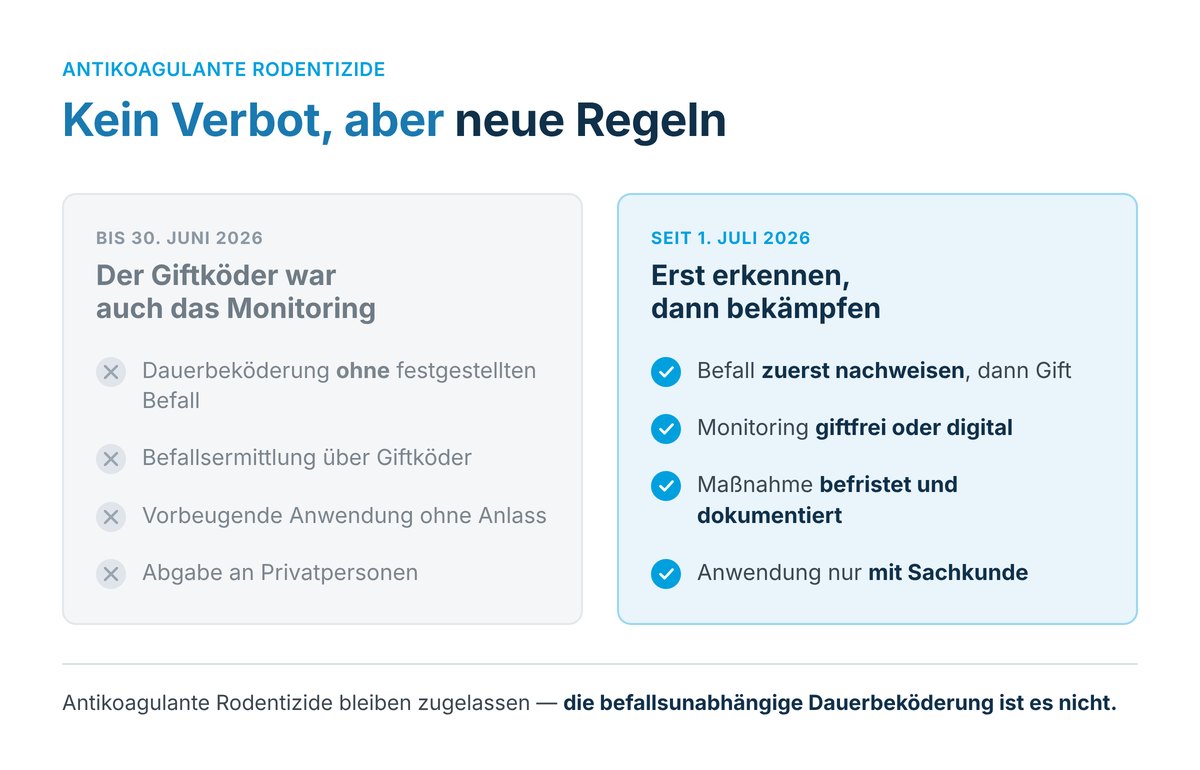
Comparison of the legal situation: Until June 30, 2026, poison bait was also used for monitoring; since July 1, 2026, the approach has been “detect first, then control.”

An Overview of the Deadlines

The transition is taking place in phases, and some transition periods have not yet expired.

  • January 1, 2025

    Prohibition on self-service: Biocidal products may no longer be offered for sale in stores in a manner that allows customers to access them freely. Sales are permitted only after consultation with knowledgeable staff.

  • April 25, 2026

    The last day on which retailers were permitted to sell anticoagulant rodenticides to private individuals.

  • June 30, 2026

    Expiration of the authorizations, which had been extended until that date. Until that date, the previous provisions governing use remained in effect without change.

  • July 1, 2026 – the key change

    The approvals were granted subject to the following amended conditions: requirement for expert knowledge, pest inspection prior to each application, and a ban on the use of pesticides for continuous baiting, prevention, or monitoring. In addition, specific requirements regarding water protection were clarified.

  • October 22, 2026

    End of the deadline for using up remaining supplies in private households. Leftovers should be taken to a hazardous waste collection site; do not dispose of them with household trash.

  • December 28, 2026, and June 26, 2027—the transition periods

    For products with an old marketing authorization, a 180-day sales period and an additional 180-day use-up period apply. Within these periods, they may continue to be used in accordance with the terms of their previous summary of product characteristics—including for continuous baiting and in sewer systems, if permitted by their SPC. The SPC for the specific product is always decisive.

What's No Longer Possible and What Remains

This distinction determines which part of your pest control plan needs to be revised.

No longer permitted

Pesticide without a confirmed infestation

  • Continuous baiting regardless of infestation—that is, poison bait stations that are continuously restocked even in the absence of an infestation
  • Preventive measures to stop an infestation from occurring in the first place
  • Poison baits for detecting infestations or monitoring rodent activity
  • Sale to and Use by Private Individuals
Still possible

Targeted Control by Experts

  • Use of anticoagulant rodenticides when an infestation of the species listed on the product is confirmed
  • Use by trained, professional users with the necessary expertise
  • Check the bait that has been set at frequent intervals, usually at least once a week
  • Temporary measures, generally limited to the acute response phase of about one month, followed by a new assessment and documentation

The exact intervals and deadlines are specified in the approval for the product being used. For existing inventory, the conditions outlined in the previous product summary continue to apply during the sell-off and use-up periods.

New Regulations for Water Bodies and Sewer Systems

The active ingredient must not come into contact with the water at any time during the entire duration of the operation.

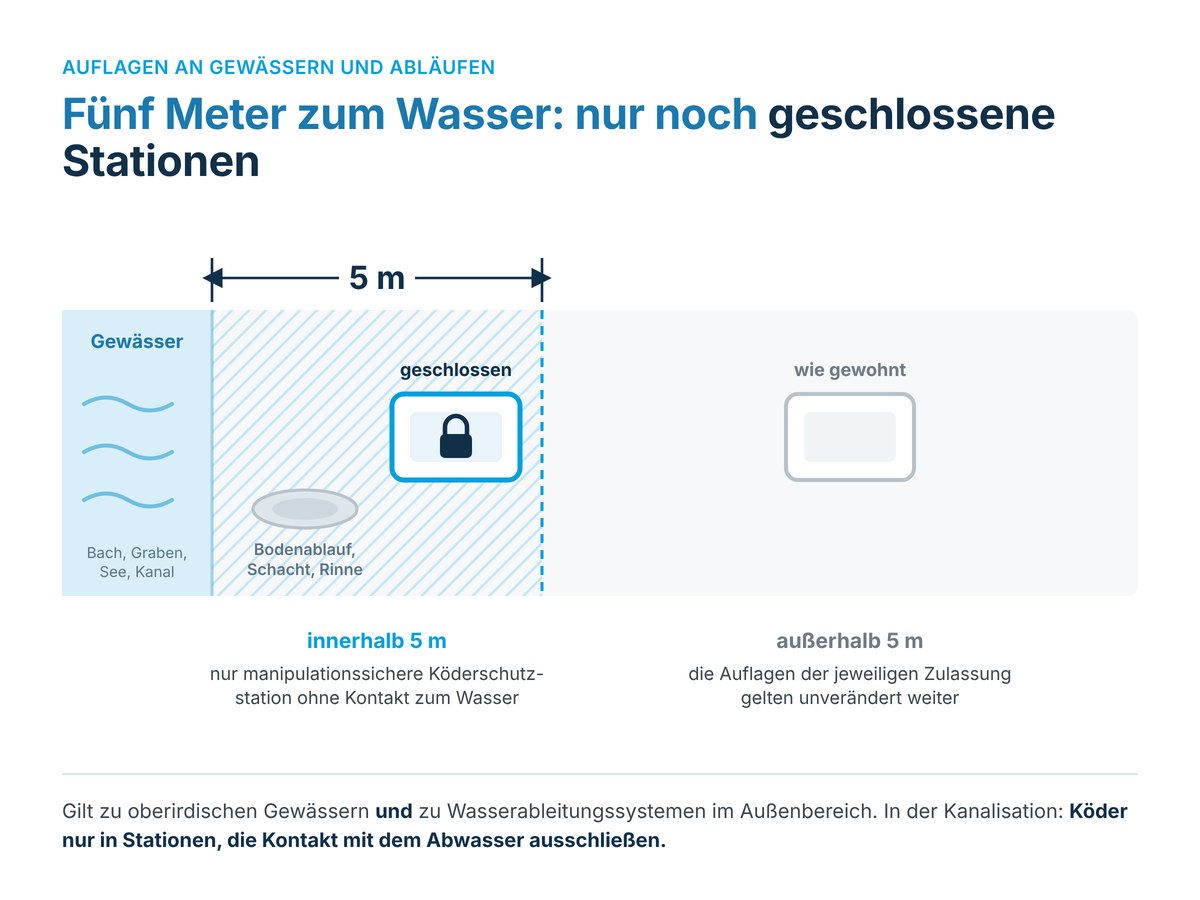
Within five meters of the edge of surface water bodies such as rivers, canals, streams, ditches, lakes, and ponds, as well as coastal and marine waters, anticoagulant rodenticides may only be used in tamper-resistant bait stations that prevent the bait from coming into contact with water.

The same applies within five meters of outdoor drainage systems, such as drainage channels, manhole covers, ground and street drains, and infiltration wells. For rat control in the sewer system, the following applies: Baits may only be placed in stations that prevent contact with wastewater.

For municipalities and service providers with sewer contracts, this means that the traditional method of placing bait in manholes no longer meets this requirement. Here, too, the solution lies in pest assessment and closed systems.

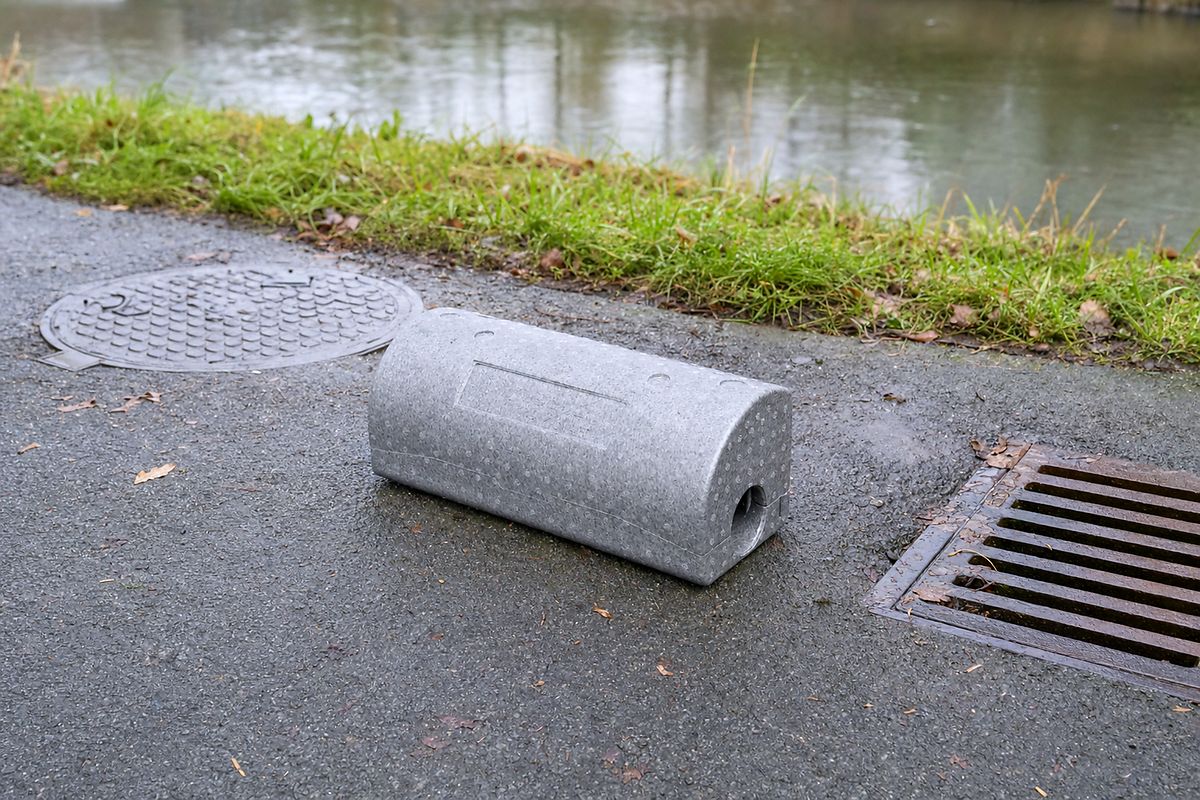
A closed section made of rigid foam on asphalt between a manhole cover and a drainage grate, with the embankment of a body of water behind it
Diagram of the Five-Meter Rule: Within five meters of bodies of water and drains, only tamper-proof bait stations that do not come into contact with water are permitted
The distancing rule at a glance: Within the five-meter radius, only one station that prevents contact with the water counts.

The Real Problem: How do you detect an infestation if the bait isn't allowed to contain poison?

No proof of infestation, no pesticides. No monitoring, no proof of infestation.

Until now, the poison bait also served as a monitoring tool: any signs of gnawing indicated activity. This dual function has been eliminated. There are three remaining methods for detecting infestations, and they vary considerably in terms of the effort required.

  • Visual inspection: reliable, but labor-intensive and always just a snapshot
  • Non-toxic monitors: permitted and proven effective, but still require regular inspections
  • Digital systems: automatically report activity and document it with a location and timestamp
View Digital Pest Detection
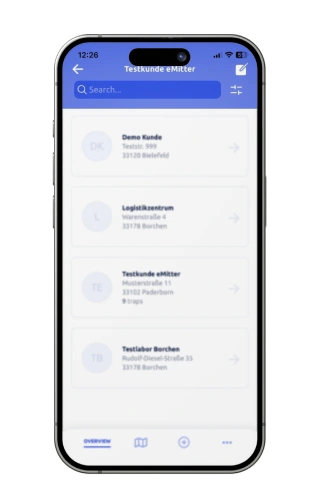
Digital Pest Detection in the Portal with a Location Overview

Toxin-Free Monitoring and Digital Pest Detection

This combination satisfies the requirement to provide evidence and, at the same time, replaces the discontinued practice of continuous baiting.

Emitter Tubetrap 2.0: A Digital Trap with Monitoring Capabilities

Capture and Monitor

Emitter® Tubetrap 2.0

A digital trap that can be remotely switched between "capture" and "monitoring" modes. In monitoring mode, it alerts you to rodent activity without triggering the trap. Each alert is logged with the location and time.

About the product
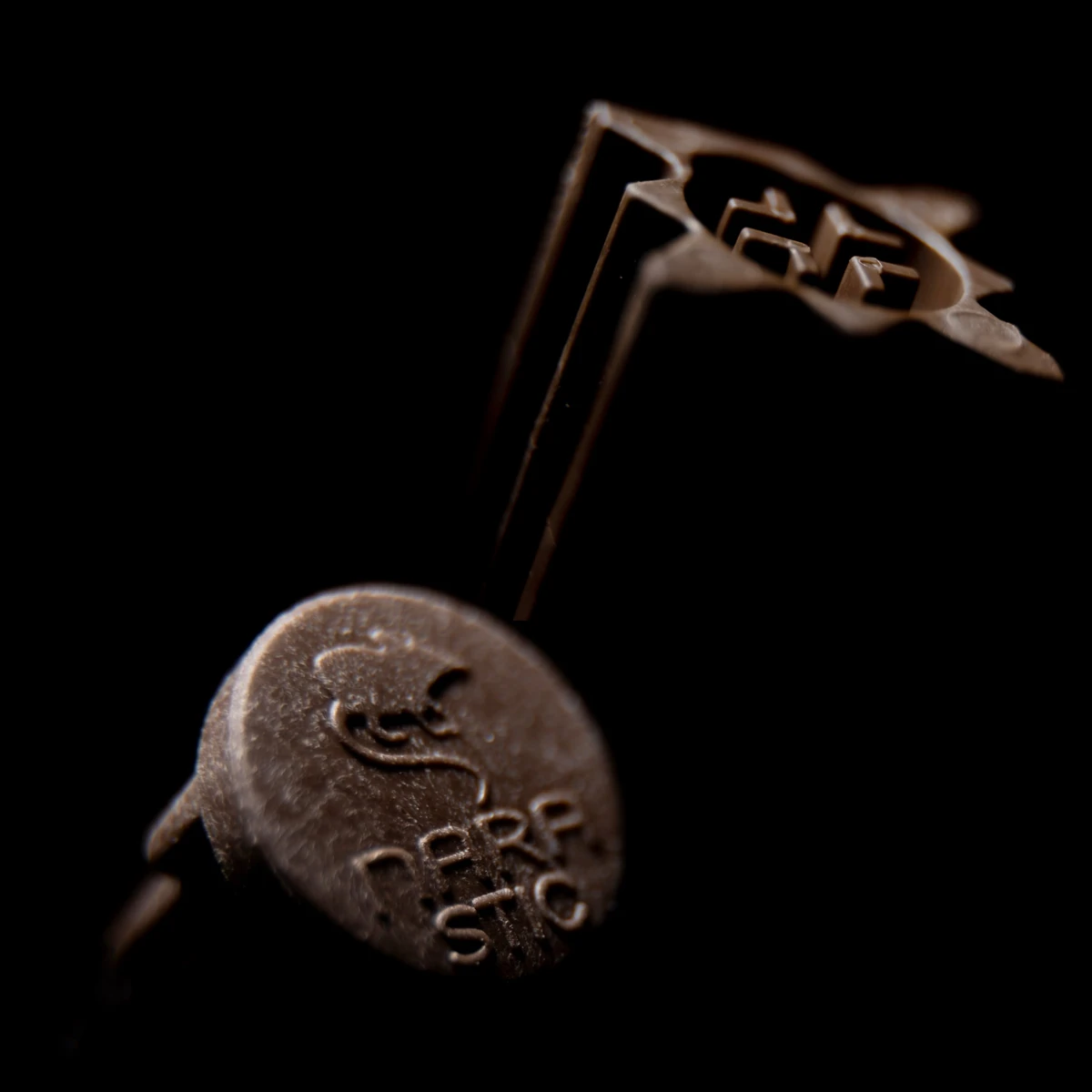
NARA Bloc and NARA Stic, non-toxic monitors for pest detection

Monitoring Without Toxins

NARA® Bloc and Stic

Non-toxic monitors for detecting infestations: the Bloc for stations, the Stic for traps. Gnaw marks on the monitor indicate activity without providing a food source. Allergen-free, mold-resistant, and suitable for use even where rodenticides are no longer permitted. When used with the Emitter® Cam, gnawing marks trigger an automatic alert.

About the product
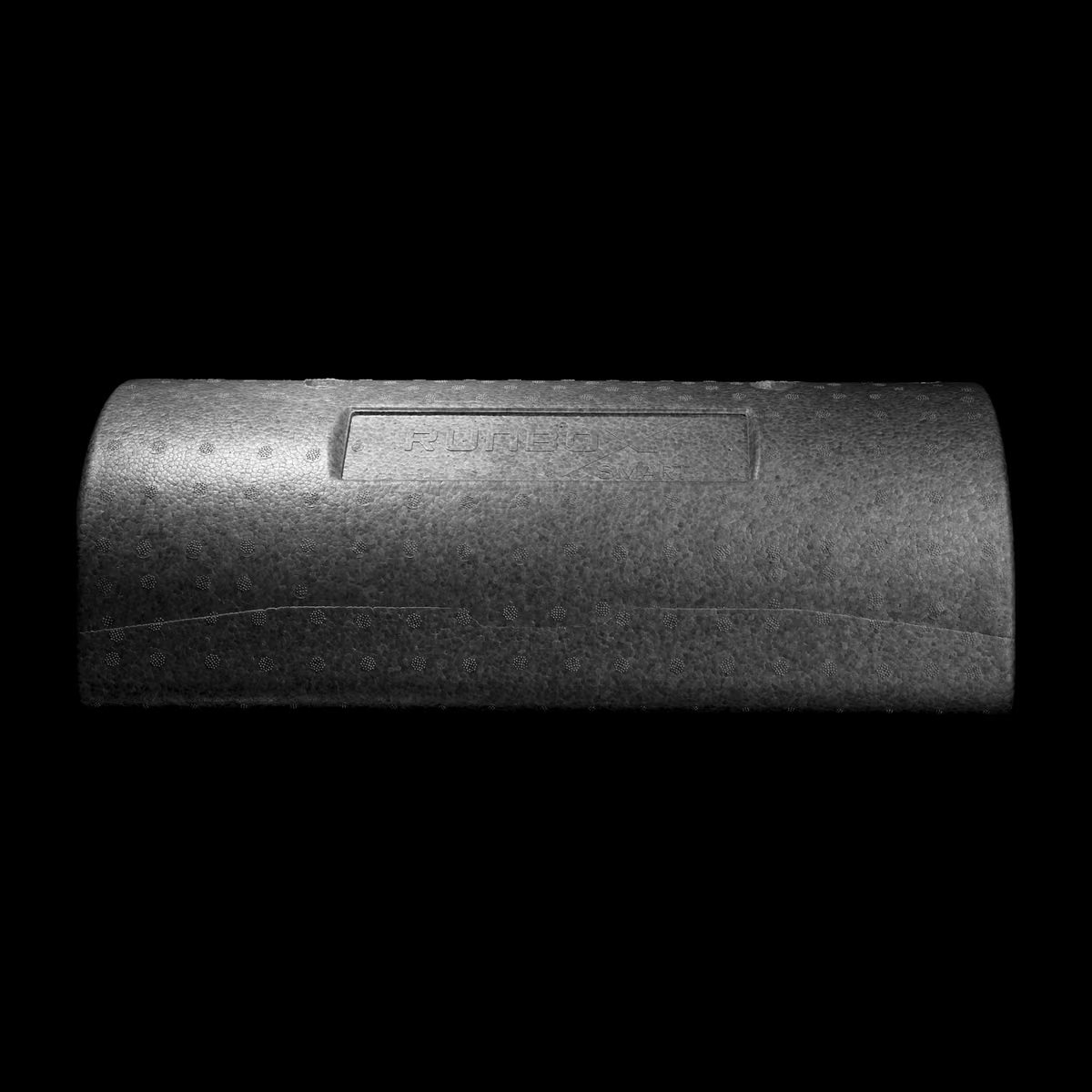
Runbox Smart, enclosed outdoor station made of rigid foam

Outdoor Areas and Areas Near Water

Runbox Smart

A self-contained unit made of sturdy rigid foam that holds digital traps, non-toxic monitors, or bait guards. Useful wherever the new distance requirements for bodies of water and drains apply.

About the product

Discuss a concept for your property

What Businesses and Service Providers Should Do Now

The audit trail is the same everywhere, regardless of industry or property size.

  • Take stock: Which stations currently have poison bait, and at which of them is there no confirmed infestation?
  • Switch to a new monitoring system: Convert these locations to non-toxic monitors or digital data collection so that pest detection can continue.
  • Review documentation: Evidence of infestation must be verifiable. Paper lists are formally sufficient, but they are time-consuming to track during audits.
  • Mapping water bodies and outflows: Where are the monitoring stations located within the five-meter zones, and do they meet the requirements for closed systems?
  • Clarifying Qualifications: Who Will Be Authorized to Apply Rodenticides at the Workplace in the Future? The certification required under Annex I, No. 4.4 of the GefStoffV, which is commonly used by public works departments and sewer utilities, is no longer sufficient; certification in plant protection will no longer be recognized after July 28, 2030.
  • Adjust contracts and service descriptions: Anyone who has agreed to ongoing baiting as a service must renegotiate.

Are you a private individual?

For you, rat poison is no longer an option—regardless of whether there’s an infestation.

The sale of anticoagulant rodenticides to private individuals ended on April 25, 2026, and the deadline for using up legally purchased remaining stock expires on October 22, 2026. Any remaining product must be taken to a hazardous waste collection site; do not dispose of it in household trash or flush it down the toilet.

The key measures are: consistent prevention through storing food and animal feed in sealed containers, safe waste disposal, and sealing off entry points. In the event of an acute infestation, a professional pest control company with expertise can help. Traps and non-toxic products for private use remain permitted.

Futura Germany supplies professional users. If you're a private individual looking for traps or non-toxic products, you'll find what you're looking for in our consumer store.

Frequently Asked Questions

Is rat poison banned in Germany?

No. There is no blanket ban on anticoagulant rodenticides. What is prohibited is their sale to private individuals and their use by such individuals. These products remain approved for professional users with the necessary expertise, though under significantly stricter conditions than in the past.

What exactly changed on July 1, 2026?

Approvals for Product Type 14 products containing anticoagulant active ingredients were granted with modified conditions. Since then, the products have been intended for trained, professional users with specialized knowledge; an infestation assessment is required before each application; and continuous baiting regardless of infestation is no longer permitted. In addition, more specific requirements for the protection of water bodies have been introduced.

What is continuous baiting regardless of infestation?

This refers to the long-term placement of poison baits at fixed locations, even when no infestation has been detected. In many facilities, this was standard practice for years because the bait stations also served as monitoring points. It is precisely this practice that has been discontinued.

How do I detect an infestation if poison baits are no longer approved for that purpose?

Visual inspections, non-toxic monitors, and digital systems that detect rodent activity are permitted. Digital traps and sensors have the advantage of automatically reporting activity and documenting the detection with a location and timestamp. It is precisely this documentation that serves as the basis for being allowed to take control measures in the first place.

Can I continue to place poisoned bait in the sewer system?

Anticoagulant rodenticides may only be used in the sewer system in stations that prevent the bait from coming into contact with wastewater for the entire duration of the treatment. Simply hanging the bait openly does not meet this requirement. Similarly, within a five-meter radius of bodies of water and outdoor drainage systems, the use of a tamper-proof bait station is mandatory.

How long can a pest control measure last?

Bait stations must be checked at frequent intervals, generally at least once a week. This measure is limited to the acute control phase, which typically lasts about one month; after that, the situation must be reassessed and documented. The approval status of the product used is always the determining factor.

What happens to leftover supplies in private households?

Legally purchased remaining stock may still be used within the phase-out period, which ends on October 22, 2026. After that date, even displaying existing products will no longer be permitted. Any remaining stock must be taken to a hazardous waste collection site.

Are there alternatives to anticoagulant drugs?

Non-toxic monitors and digital monitoring systems are the recommended methods for detecting infestations. For control, in addition to anticoagulants, mechanical methods are available, such as snap traps, which today incorporate sensors and capture alerts. The appropriate method depends on the property, the target species, and the severity of the infestation.

Discuss a concept for your property

We'll take a look at which of your stations are affected and what will replace them.

Upon request, we will provide a free sample for your property in advance and set up your portal access.

Sebastian Junge
Head of Sales and IoT Development
sebastian@futura-germany.com · +49 170 919 976 4

Legal Notice: This page reflects the status as of October 2026 and is not a substitute for legal advice. Only the approval notices issued by the competent authority and the summary of product characteristics for the specific product used are binding. If in doubt, check the information on the label and the current publications from the BAuA.

Sources and further information: