







Digital Pest Monitoring in Professional Settings

For businesses subject to reporting requirements and for pest control professionals

Digital Pest Monitoring: Detect, Document, and Target Infestations

A camera, trap, and non-toxic bait combine to create a monitoring system that automatically detects and documents activity. Monitoring takes place exactly where activity has actually occurred.

  • Identify an infestation; don’t just assume one. Die Kamera analysiert das Bild und meldet, ob und welche Art sich gezeigt hat.
  • Each station can be digitized. Die Emitter® Cam passt in über zehn Boxen verschiedener Hersteller, nicht nur in unsere eigenen.
  • Documentation happens along the way. Ort, Zeit und Bildnachweis landen automatisch im Portal.
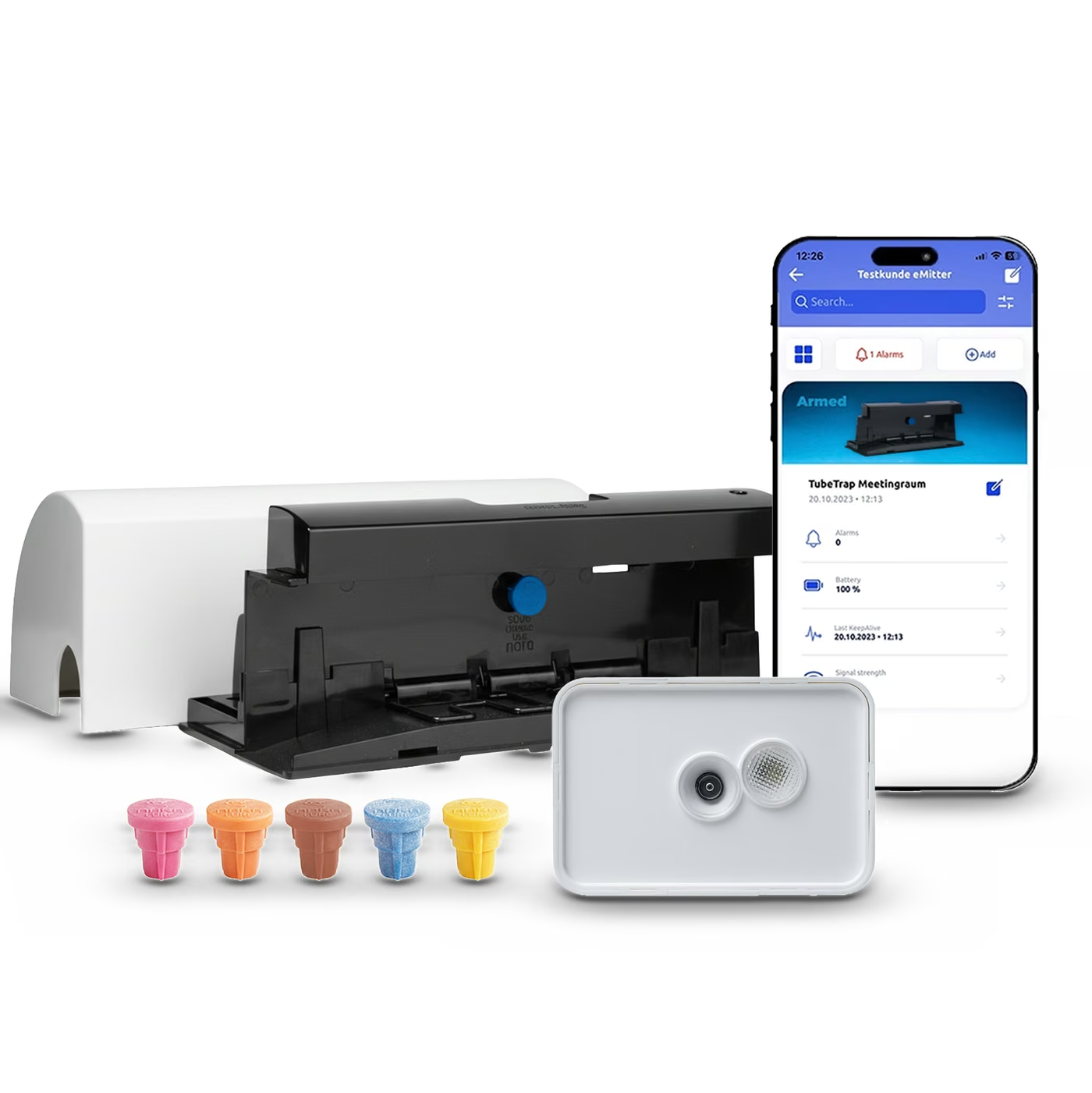
Emitter Cam, Tubetrap 2.0, NARA baits, and the Emitter app as components of digital pest monitoring

Over 150,000 Emitter® devices in use by partners who trust us

A Quick Explanation: What Is Pest Monitoring?

Don’t fight it; first determine if there’s anything at all—and where.

Pest monitoring involves continuously observing designated locations to determine whether rodents or insects are active. Pest control measures are implemented only after activity has been detected. Traditionally, this is done through visual inspections: someone checks the designated locations.

Digital pest monitoring turns that on its head. The station automatically alerts you when something happens and provides the evidence right away: location, time, and—if it has a camera—an image analyzed by AI. Inspections are then carried out in a targeted manner.

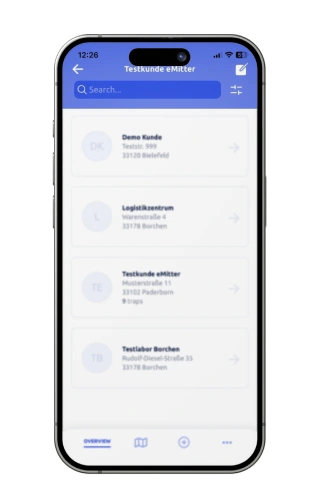
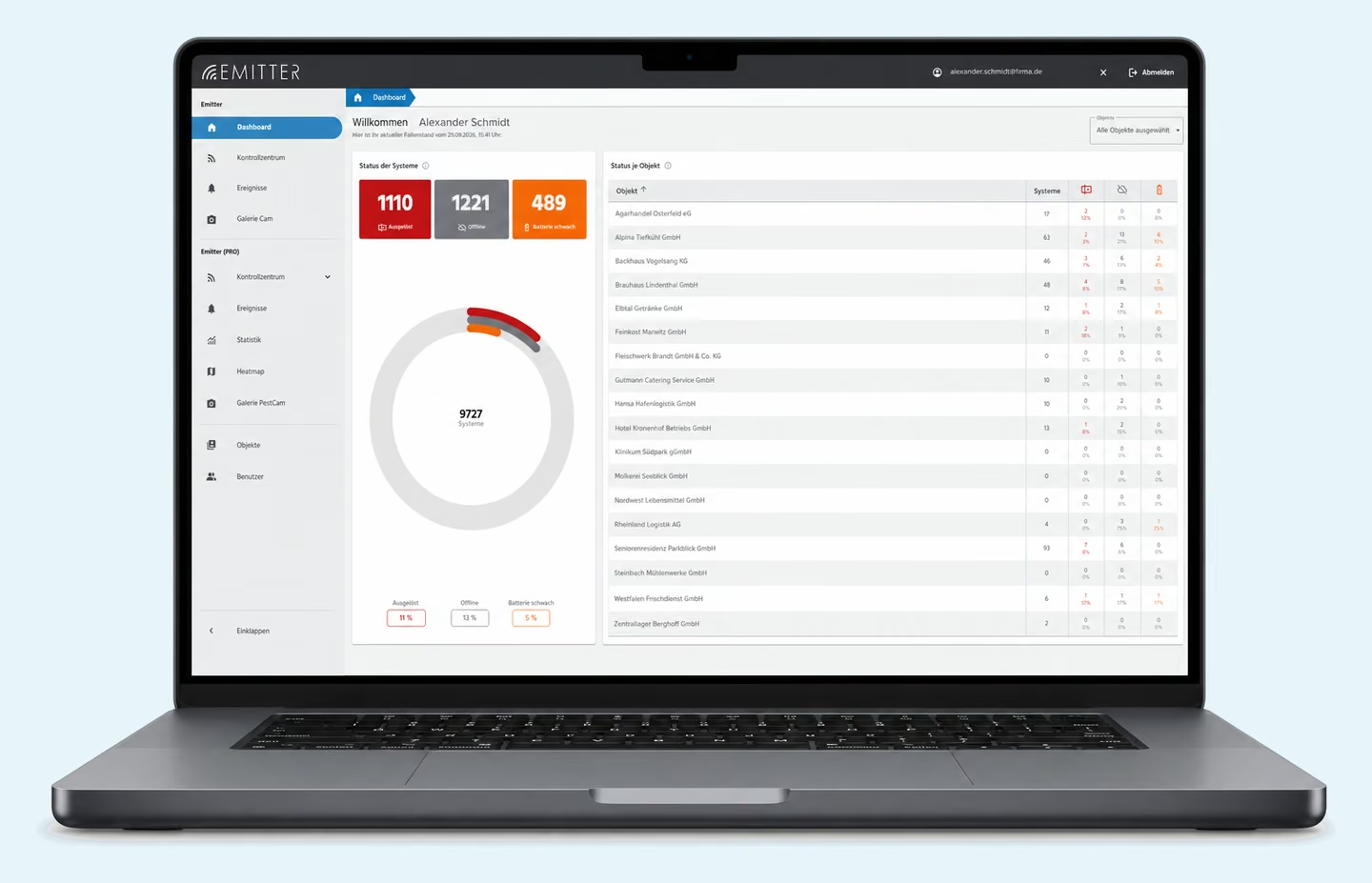
eMitter Portal with System Status and Object Overview

Permanent baiting is a thing of the past—and with it, the monitoring that the industry has relied on

As of July 1, 2026, an infestation must be confirmed before rodenticide may be placed at all.

Since then, anticoagulant rodenticides have been restricted to trained, professional users with the necessary expertise. This puts an end to a practice that had been the norm for years: keeping bait stations constantly stocked so that users would even notice when something was happening.

Until now, the bait has served two purposes at once: control and monitoring. This dual function is gone—precisely where it was most important: in detection. Anyone who wants to continue controlling infestations now needs a method that reliably detects infestations and provides proof at the same time. That is exactly what digital monitoring does.

What Has Been in Effect Since July 1, in Detail

Three building blocks, one portal

Depending on the task, a different module is used. They all come together in the same app and on the same portal.

Emitter Cam, a camera with AI image analysis for bait stations

See

Emitter® Cam

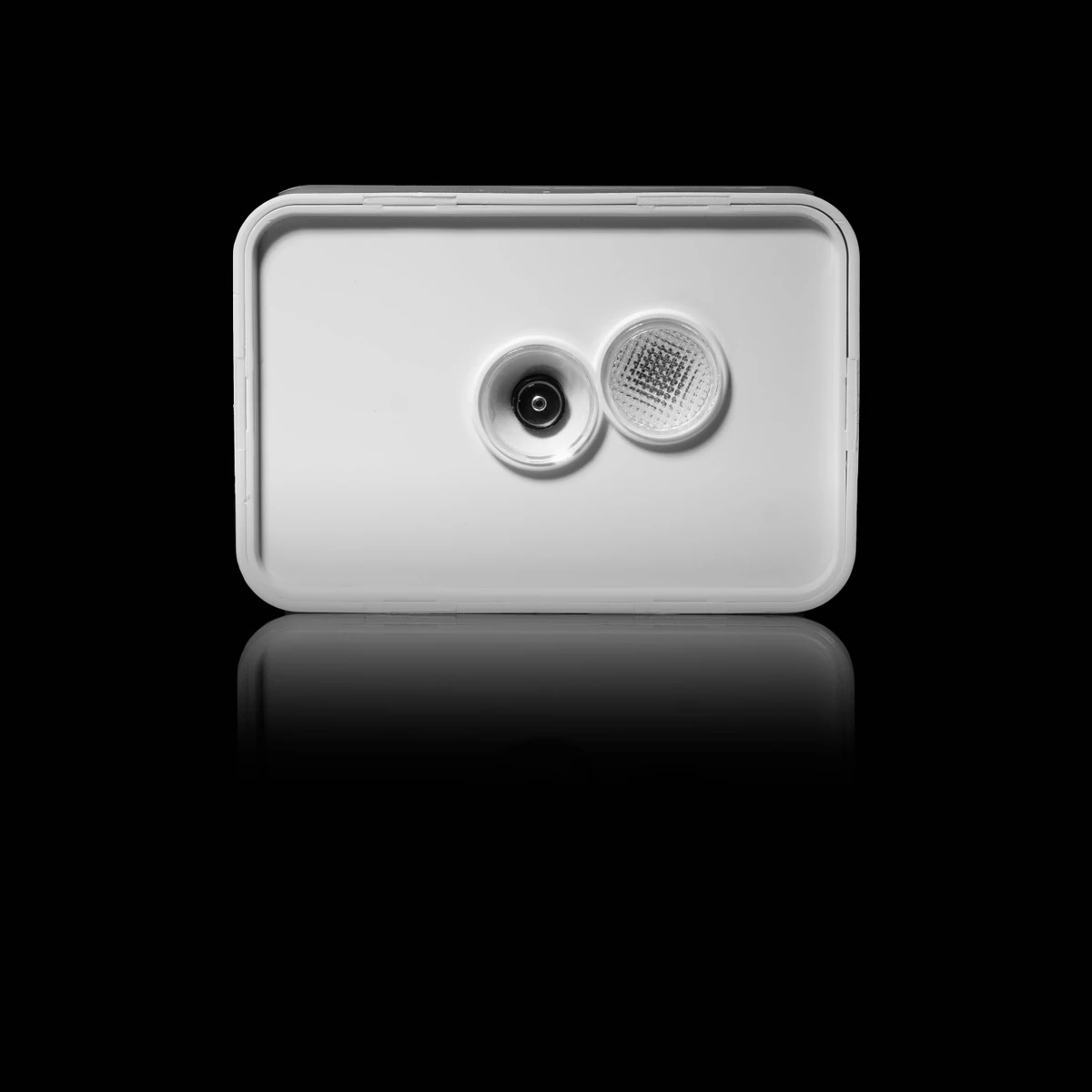
Camera with AI image analysis for virtually any station. It detects rodent and insect activity, analyzes signs of feeding on bait, and sends the image as evidence. It has its own SIM card, up to six years of battery life, and receives updates over the air.

About the product
Emitter Tubetrap 2.0, Digital Drum Trap

Capture and Monitor

Digital traps

Tubetrap 2.0 for mice, Direct 2.0 for rats. Both report a catch within seconds and can be switched remotely between “catch” mode and “monitor only” mode—for example, on weekends.

About the Traps
NARA Bloc and NARA Stic, non-toxic baits for pest detection

Curls Without Chemicals

NARA® Bloc and Stic

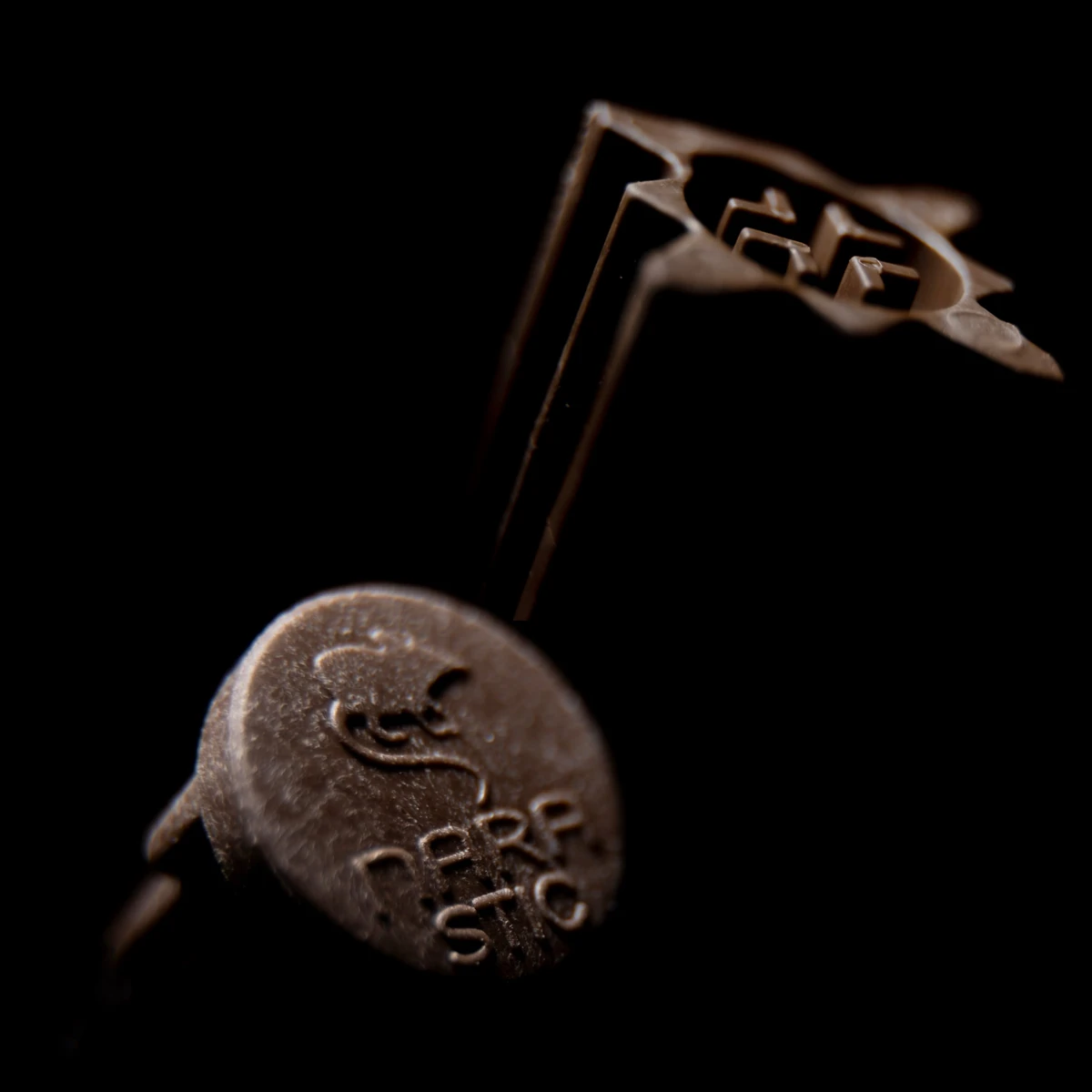
Non-toxic baits for detecting infestations. They indicate activity through feeding marks and can be used in areas where toxic baits are no longer permitted. When used in combination with the camera, the feeding marks trigger an automatic alert.

About NARA®

Which module goes where?

The assignment is based on the task at that point, not on the device.

Area or Task Module Why
Existing bait stations, including those from other manufacturers Cam The station stays where it is. The camera enables it to transmit data without requiring any changes to the design.
Pure infestation detection without the need for trapping Cam + NARA® Non-toxic bait provides evidence of feeding activity, and the camera uses this to generate a documented report.
Indoor Mouse Control Tubetrap 2.0 Catches and monitors in a single device; can be switched remotely.
Rat Pressure Direct 2.0 Digital rat trap; capture notification in seconds.
Outdoor Areas and Company Premises Runbox Smart Holds traps, cameras, or bait and protects the area from the elements.
Points Requiring Further Investigation and Monitoring Trap + Camera The camera is housed in its own box next to the trap, not inside the trap’s housing. This way, you can see what’s there without triggering the trap.
Hard-to-reach areas, such as under machines and shelves Cam No need to clear out or lift anything just for a visual inspection.
Food Storage Protection, Moths, and Other Insects Cam in the Insect Box The AI also detects insects in the image, such as moths or cockroaches.
Proximity to Water and Sewer Systems Enclosed Station + Camera Where bait is permitted only in enclosed stations, the camera provides a view inside.
10+ Types of Boxes

The camera is compatible with stations from various manufacturers

6 years

Camera battery life; replacement with standard batteries

150.000+

Equipment Used by Professionals Worldwide

Portal View with Locations, Notifications, and Analysis

This Is How the Documentation Is Created

Documentation is gathered during operations, not the evening before the audit.

  1. Record: Eachstation is assigned to a location and zone via a QR code.
  2. Reports on activity, catches, or feeding patterns are sent to the app and portal as notifications, including the location, time, and—if a camera is available—an image.
  3. Reportscan be filtered by location and zone and exported. The data can also be imported into existing industry-specific software via a documented interface.

Project managers can request their own free access and follow along on their own.

What Will Change Specifically

The benefits differ for businesses and service providers.

For businesses subject to reporting requirements

Audit-compliant documentation, less poison in the home

  • Every event, including location, time, and photo, available anytime
  • Fewer unauthorized persons in production and warehouse areas
  • Your own portal access—you can check the status yourself
  • A Solid Foundation for Collaboration with Your Service Provider

For Pest Control Professionals

More locations with the same team

  • Responding to reports of incidents
  • Reports are generated automatically; there’s no need to type out checklists
  • Existing stations will remain operational; the camera will be added rather than replaced
  • A selling point in the offer compared to competitors who still use analog methods

Designed, built, and maintained in Germany

A family-owned business since 2006. The image analysis was conducted in collaboration with the Fraunhofer Institute for Material Flow and Logistics.

All Emitter® products are manufactured in Germany. Data is transmitted in encrypted form and stored on servers in Germany.

  • In-house Development and Manufacturing
  • Integration with existing software via a documented interface
  • Role-Based Access, Hosting in the EU, GDPR-Compliant Processing
About the Software Solutions
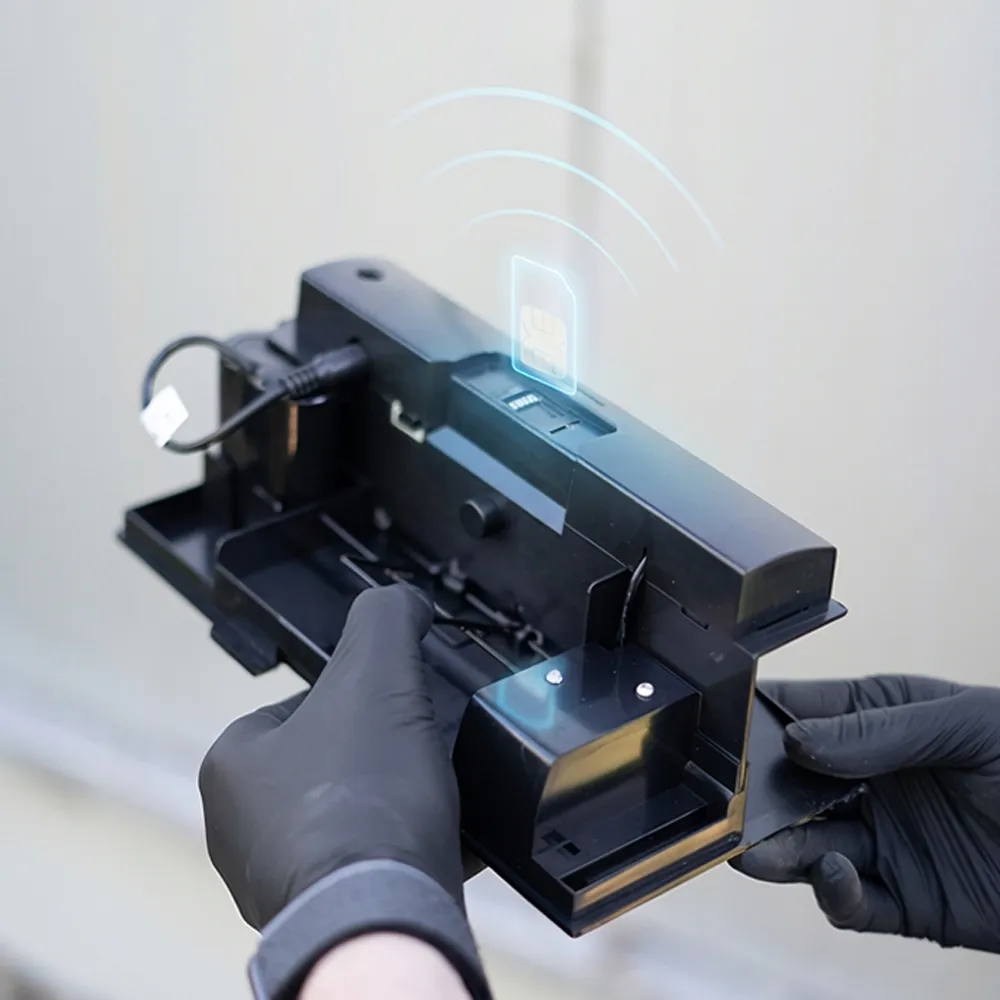
Integrated SIM card for transmitting messages

Frequently asked questions (FAQ)

What is digital pest monitoring?

Pest monitoring involves checking designated locations to see if rodents or insects are active. “Digital” means the station reports this information on its own, rather than someone having to walk by and check. Sensors and cameras detect activity, report it to the app and portal, and document it with the location, time, and, if desired, photographic evidence.

Do I need to replace my existing bait stations?

No. The Emitter® Cam is designed for use in more than ten different enclosures and stations, including those from other manufacturers. This allows an existing system to be digitized in stages without having to replace the stations.

Could the camera be trapped?

The camera is not installed inside the Tubetrap housing. It is placed in its own box, which is positioned next to or alongside the trap. This way, both devices report independently: the trap reports when an animal is caught, and the camera reports activity in front of it.

Which pests does the image analysis detect?

The AI analyzes images for rodent and insect infestations—such as mice, rats, moths, and cockroaches—and detects signs of feeding on bait. The analysis works for both toxic and non-toxic baits.

Do I need Wi-Fi or approval from the IT department?

No. The devices have their own SIM card and communicate via the NB-IoT and LTE-M cellular standards. The customer does not need network access.

Does digital monitoring completely replace physical inspections?

No, and it shouldn’t be. Changing bait, checking equipment, and inspecting the entire system are still necessary. What is no longer necessary are the trips to stations where nothing has changed. According to our operational data, four out of five inspections yield no findings.

Is the data suitable for IFS and HACCP audits?

All events are logged with their location and a timestamp and can be exported for audits. This digital documentation replaces handwritten checklists.

As a business, can I place an order directly, or does that have to go through my service provider?

Both options are possible. Businesses can purchase and operate the system directly, or we can set it up together with your service provider. Contact us, and we’ll determine which option is best for your situation.

Monitoring Plan for Your Site

We’ll go through your points and assign the appropriate module to each one.

Upon request, we will provide a free sample in advance and set up access to the portal so that you can view the first notification yourself.

Sebastian Junge
Head of Sales and IoT Development
sebastian@futura-germany.com · +49 170 919 976 4